
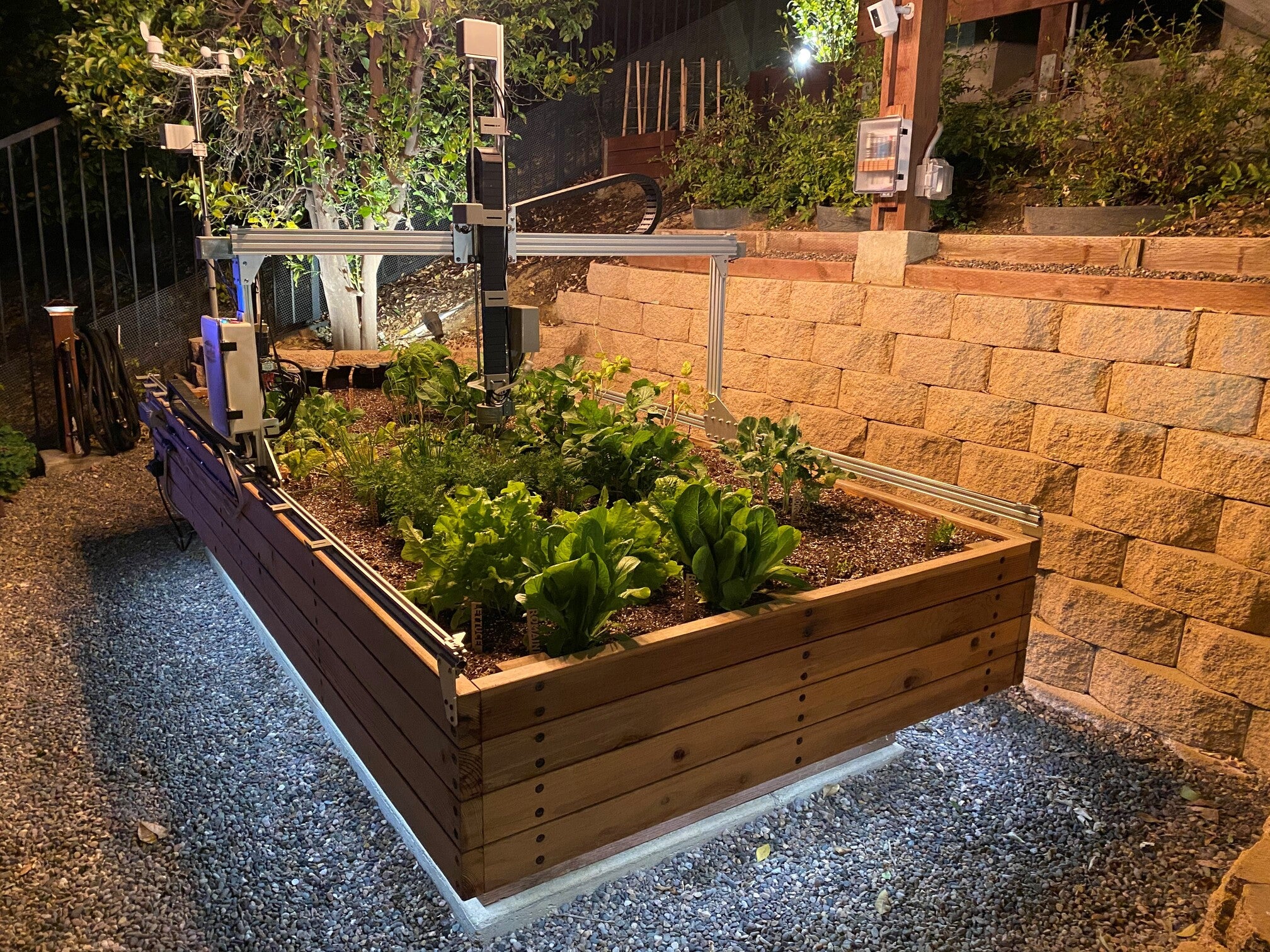
Fractal Garden
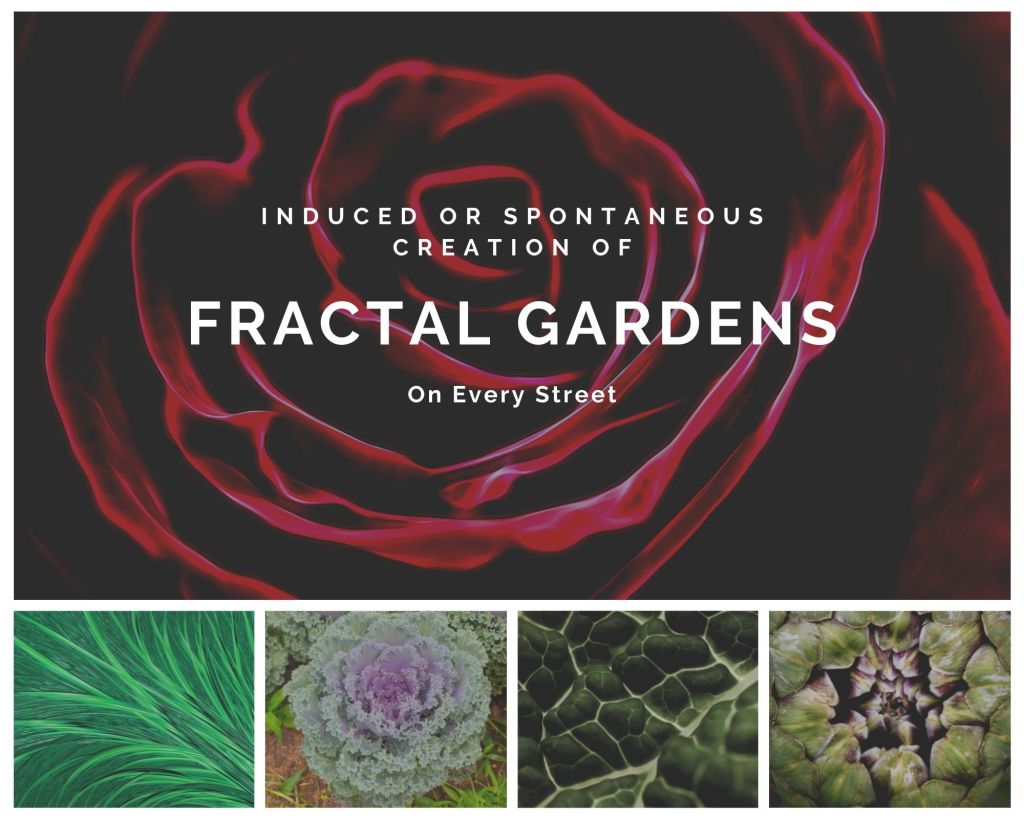
Discover the untapped potential of our neighborhoods as we transform isolated gardening efforts into a vibrant, co-created collective oasis. Join us on a journey to reimagine urban spaces and cultivate flourishing gardens on every street corner. Together, let’s nurture our communities, foster connections, and
embrace the beauty of our collective green haven.
Sustainable Local Organic Food Systems
Gardening Project
Our goal and intention for Fractal Garden starts by determining the needs of our community by first introducing ourselves into Community Hubs that are already in existence (Churches, Schools, Community Gardens, Local Gardeners) to bridge those needs to solutions found within the knowledge and wisdom of organic gardening.

We highlight the need for both Healthy and Organic Eating and the positive consequences held within our day to day life from doing so. Our goal is to implement a permaculture design practice that teaches us to work both with nature and each other. Through this process, we can begin to understand Divine Intelligence as an experiential process, understanding how nature and people are complimentary to one another and how to better coexist.
We emphasize the use of modern technology and explore all the ways innovation can be used to ease the human input necessary to produce an abundance of organic. locally sourced veggies, herbs, microgreens, fruit trees etc, all to be directly cycled back into that local community.
As we engage with and learn about the established Community Hubs that already exist, we can than formulate an integrative network of food and people whereby the mission becomes a vision of a Community raising a Community from the fundamental source of life – FOOD!
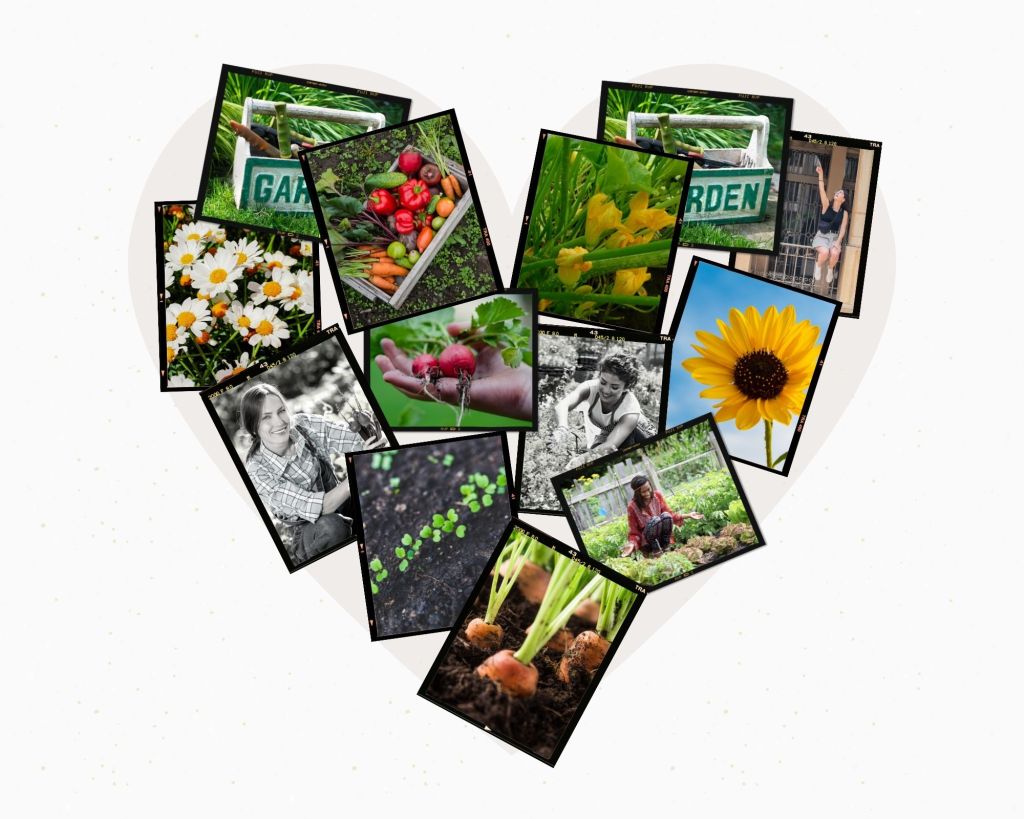
The shared skills, knowledge and enthusiasm that naturally circulates within these Community Hubs can then be easily delivered and distrubted into the rest of the community. Together we can piece a mosaic of food production together by diversifying and specifying plant production at community member’s houses.
1 acre is 43,650 square feet.
If 1,361 households set aside one single 8×4 foot grow bed (32 square feet) there could be 1 acre of food production existing within your local community for you to benefit from. Permaculture techniques allows us to save water, work with nature to find the most optimal placement of crops, and reduce waste by being resourceful in our designs.
Creating a Data Base
Together we have the ability to grow an abundance of local, organically grown food. With that ability comes the necessity to account for all the food that is being grown. Doing so allows us to make better decisions about what to grow and where to grow it.

What are the economics? Like everything else, supply and demand. By determining the need (demand) of each product and the necessary Square Footage and resources needed to supply that demand we can determine a value for each product, both in monetary terms and in terms of an exchange value to barter with the use of other vegetables. Are goal is to take into account what is already being grown and understanding what to grow compliment what is already being grown.
This is an opportunity to create jobs by training garden technicians who are capable of tending to the gardens at the community hubs, community members houses, etc while also teaching, inspiring, and encouraging others to learn the art of gardening. The success of this program is would demonstrate the collective’s desire to transform the way we relate to food by understanding how food is grown and where it comes from.
This project is funded through the donation of materials and monetary funding.
The materials that are donated are allocated to the construction of raised garden beds, drip irrigation systems, construction of trellises, chicken coops, green houses, toolshed storages, aquaponic systems, composting areas, and the seeding, transplanting and cloning of plants all to be shared within the community.
Our philosophy is to learn how to grow our food, acknowledge why we grow our food, what to grow, and who we are growing it for.
 I AM YOUR TEAM